

Japanese Whisky History [4/6]: Post-War Boom & Torys Bars
After the devastation of World War II, Japan experienced an unprecedented economic miracle. In this era of reconstruction, whisky transformed from an elite luxury item for a few into a firm constant in the daily lives of millions of people. This was due to affordable blends, the phenomenon of Torys Bars, and the emergence of Japanese Highball and Mizuwari culture.
Overview of our series: The History of Japanese Whisky
- Part 1: From the beginnings to today (The big overview)
- Part 2: Shinjiro Torii & Yamazaki – The Birth of an Industry
- Part 3: Masataka Taketsuru & Nikka – The Scottish Dream
- Part 4: Post-war Boom & Torys Bars – How Whisky Became a Popular Drink (This article)
- Part 5: Karuizawa, Hanyu & Chichibu – Closures and Rebirth
- Part 6: International Success & Future – Global Recognition and JSMA Standards
Whisky for everyone: Torys and the tax classes
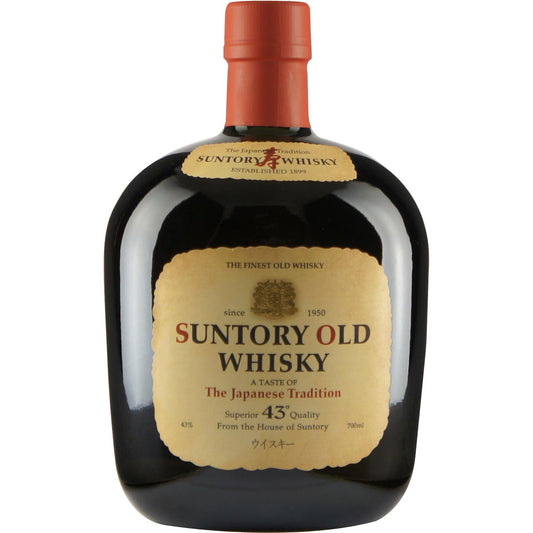
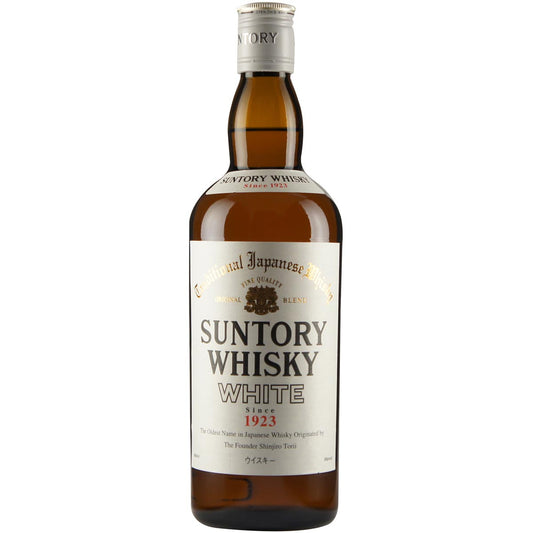
Already in 1946, Kotobukiya (Suntory), under the leadership of Shinjiro Torii's son, Keizo Saji, launched the inexpensive blend Torys Whisky. In a time of scarce raw materials, a three-tier tax system ("Special Grade," "1st Grade," "2nd Grade") helped keep whisky affordable for the general population.
Torys was a "Second Grade Whisky" with a lower malt content, but it precisely hit the nerve of the post-war generation: it was clean, cheap, and gave people a piece of Western lifestyle back.
The Torys Bar phenomenon: The cradle of Japanese bar culture
In 1950, the first Torys Bar opened in Tokyo's Ikebukuro district. The concept revolutionized Japanese nightlife:
- Cheap drinks at the price of a cup of coffee.
- Small snacks (like nuts and dried squid).
- A casual, inviting atmosphere that specifically attracted employees (salarymen) after work.
Accompanied by the iconic advertising figure Uncle Torys and the legendary magazine Yoshu Tengoku ("Paradise of Western Spirits"), the concept exploded. In the 1960s, there were over 2,000 Torys Bars across the country. They became a social hub for writers, artists, and office workers.
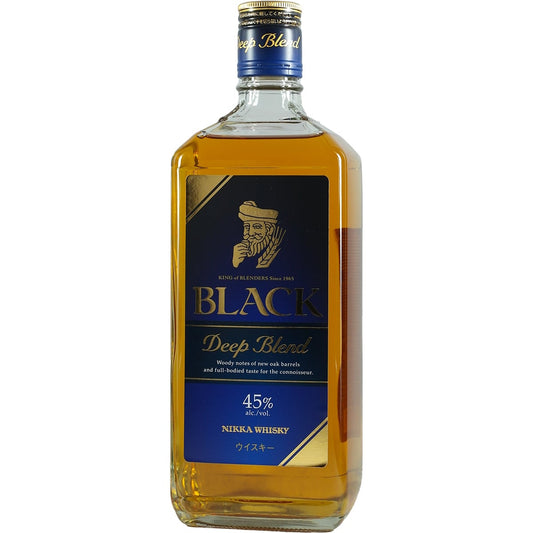
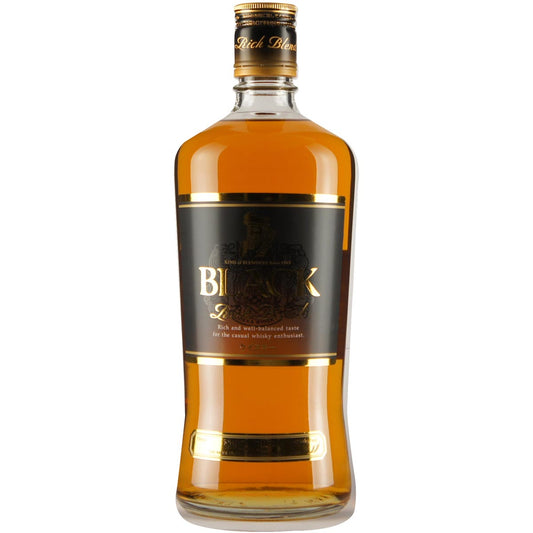
Nikka countered with its own Nikka Bars and launched successful brands like Black Nikka (1956/1965) and Super Nikka – a friendly competition that continuously improved quality.
Highball and Mizuwari: Whisky as a food companion
In Western countries, whisky was traditionally drunk neat or on the rocks as a digestif. In Japan, a completely different form of consumption emerged: whisky with food.
To adapt the strong alcohol content to the delicate flavors of Japanese cuisine, two serving methods became established:
- Mizuwari (diluted with water): One part whisky with two to three parts cold, soft spring water and ice. Soft, elegant, and harmonious with sushi, sashimi, and grilled fish.
- Highball (with soda): Ice-cold whisky with strongly effervescent soda water over plenty of clear ice. The carbonation refreshes the palate and neutralizes fat with Izakaya classics like yakitori and karaage.
This drinking culture saved Japanese whisky again decades later, when Suntory revived the "Kaku Highball" from 2008 onwards, helping the spirit make a sensational comeback among the younger generation.
👉 Learn more about perfect preparation in our detailed Highball Guide.
Conclusion: The democratization of enjoyment
Without Torys Bars and the post-war boom, Japanese whisky might have remained an elite niche product. The enthusiasm of millions of Japanese created the huge domestic market and financial stability that allowed distilleries to build up the massive cask inventories over decades from which today's top whiskies benefit.
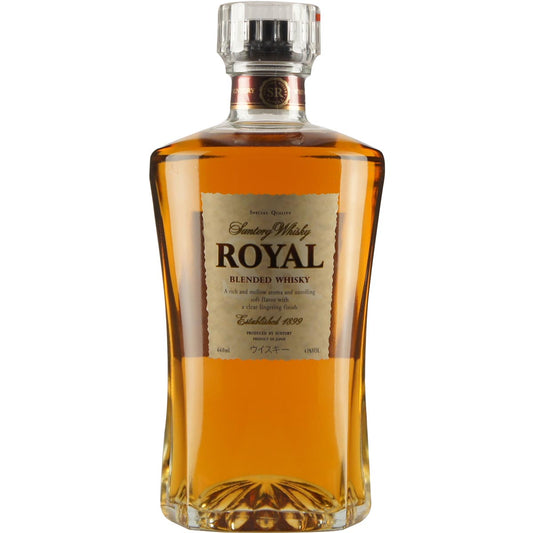
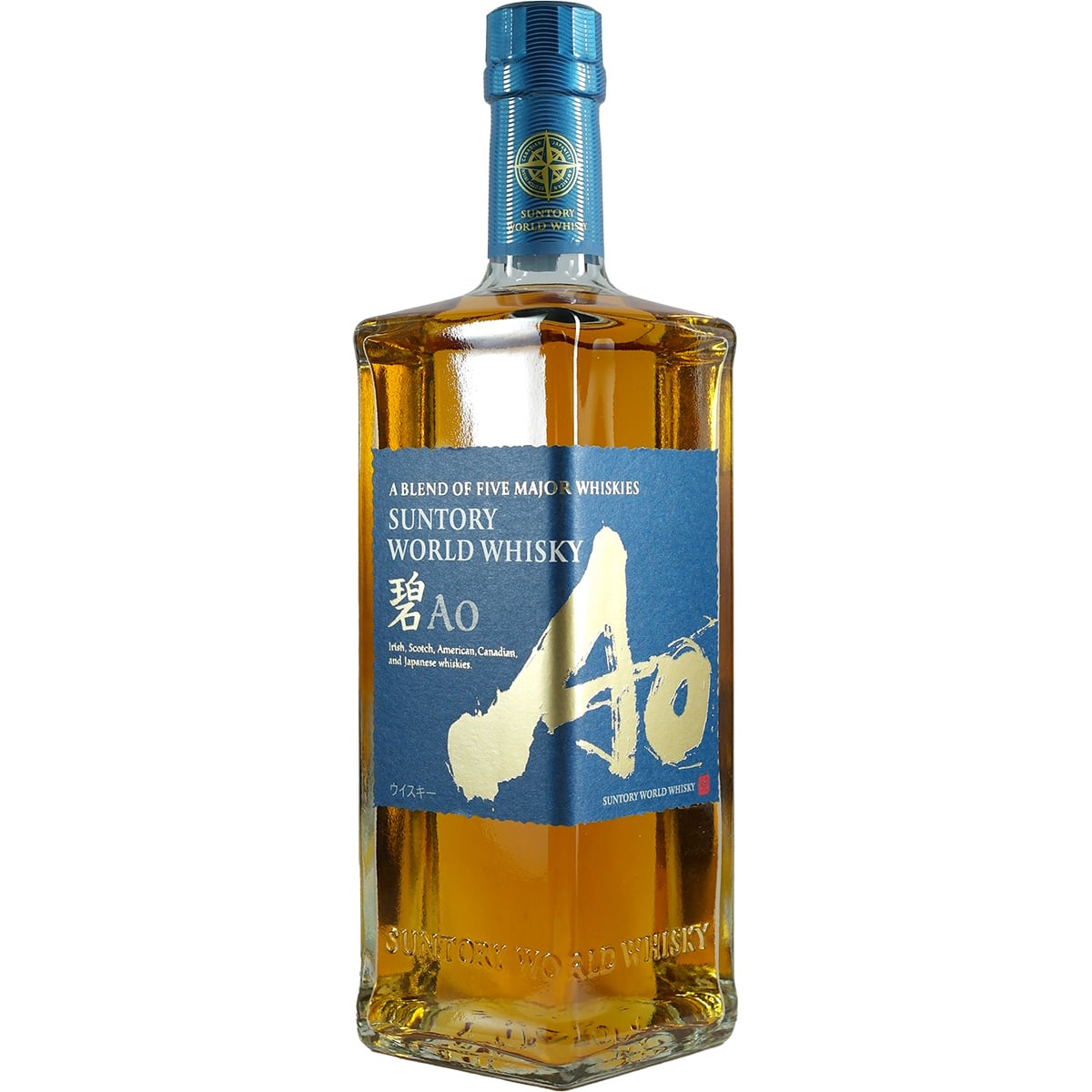
👉 Discover classic Japanese blends for Highball and Mizuwari
What's next in the series?
In Part 5, we look at the dramatic crisis of the 1990s, the closure of legendary icons like Karuizawa and Hanyu, and the triumphant rebirth through Chichibu.
Continue to Part 5: Karuizawa, Hanyu & Chichibu ➔Sources
- Brian Ashcraft: Japanese Whisky: The Ultimate Guide, Tuttle Publishing, pp. 60–75, 106–115.
- Stefan Van Eycken: Whisky Rising, Cider Mill Press, pp. 47–59, 70–85.
- Stephen Lyman & Chris Bunting: The Complete Guide to Japanese Drinks, pp. 186–195.
- Mamoru Tsuchiya: Japanese Whisky Yearbook 2023, pp. 134, 195.