

Japanese Whisky History [3/6]: Masataka Taketsuru & Nikka
Masataka Taketsuru is considered the founding father of Japanese whisky in the Scottish style. His passion for authentic distillation craftsmanship led him to Scotland as a young man in 1918 – and years later to the rugged north of Japan, to Hokkaido. Here, Nikka was born, thus establishing the second major pillar of Japanese whisky culture.
Overview of our series: The History of Japanese Whisky
- Part 1: From the Beginnings to Today (The Grand Overview)
- Part 2: Shinjiro Torii & Yamazaki – The Birth of an Industry
- Part 3: Masataka Taketsuru & Nikka – The Scottish Dream (This Article)
- Part 4: Post-War Boom & Torys Bars – How Whisky Became a Popular Drink
- Part 5: Karuizawa, Hanyu & Chichibu – Closures and Rebirth
- Part 6: International Success & Future – World Renown and JSMA Standards
The Apprenticeship in Scotland: First-Hand Knowledge
Masataka Taketsuru came from a long-established sake brewing family in Hiroshima. In 1918, he was sent to Scotland by his then-employer Settsu Shuzo to be the first Japanese person ever to academically and practically learn the art of whisky distillation.
At the University of Glasgow, he studied organic chemistry, but he acquired the actual craft on site at the distilleries: at Longmorn in Speyside and Hazelburn in Campbeltown. He meticulously recorded every detail in two notebooks – the famous Taketsuru Notebooks, which later became the bible of Japanese whisky making.
In Scotland, Taketsuru found not only his calling but also his life partner: Rita Cowan. Against the resistance of both families, they married in 1920 and traveled together to Japan.
The Dream of Hokkaido: The Founding of Yoichi (1934)
After ten intense years of development at Yamazaki (see Part 2 of the series), Taketsuru no longer wanted to compromise on taste. He sought a landscape that resembled the Scottish Highlands.
He found it in Yoichi on the west coast of Hokkaido:
- Cool, humid maritime climate with foggy summers and snowy winters.
- Rich peat deposits in the surrounding moors.
- Crystal-clear water from the Yoichi River.
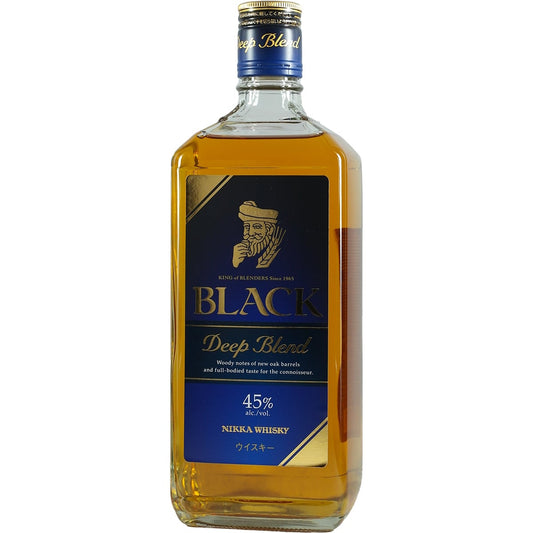
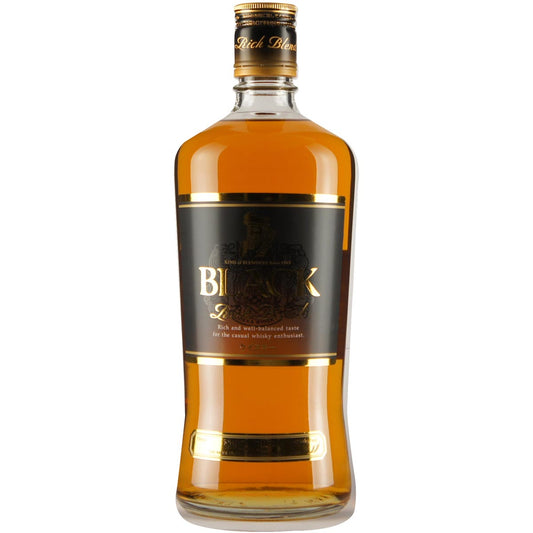
In 1934, he founded the company Dai Nippon Kaju (Great Japan Juice Company). Since whisky needs years to mature in casks, Taketsuru initially sold apple juice from local stocks to keep the company liquid. In 1940, the first own whisky finally appeared under the brand name Nikka Whisky (derived from Ni-k-ka from Nippon Kaju).
Tradition to This Day: Coal Firing at Yoichi
Taketsuru insisted on traditional Scottish methods that gradually disappeared even in Scotland. The heart of Yoichi is still made up of copper pot stills, which are directly fired by hand with finely ground coal. This uneven, intense heat (often over 800 °C) gives the distillate a powerful, peaty, roasted depth and unmistakable character.
The Second Pillar: Miyagikyo and the Coffey Still (1969)
To create complex blended whiskies without external purchases, Nikka needed an elegant, fruity contrast to the heavy Yoichi malt, as well as high-quality grain whisky.
In 1969, Taketsuru opened his second distillery: Miyagikyo (originally Sendai Distillery) in a forested river valley in Miyagi Prefecture. Here, steam-heated pot stills with long necks produce a fine, floral single malt. In addition, Nikka installed traditional Scottish Coffey Stills (column stills) in the 1960s, which to this day produce the famous velvety Nikka Coffey Grain and Coffey Malt.
The Legacy of Masataka and Rita
Masataka Taketsuru passed away in 1979, but his spirit continues to shape the Nikka brand. His perseverance, coupled with Rita's unwavering support in an often foreign culture, laid the foundation for whiskies that decades later would surpass top Scottish whiskies in international blind tastings.
👉 Discover our range of authentic Nikka and Yoichi whiskies
What's next in the series?
In Part 4, you will learn how whisky became Japan's most popular drink after World War II, thanks to Torys Bars and the Highball.
Continue to Part 4: Post-War Boom & Torys Bars ➔Sources
- Brian Ashcraft: Japanese Whisky: The Ultimate Guide, Tuttle Publishing, pp. 188–199.
- Stefan Van Eycken: Whisky Rising, Cider Mill Press, pp. 44–68, 134–142.
- Mamoru Tsuchiya: Japanese Whisky Yearbook 2023, pp. 84–92, 157–160.
- Dave Broom: The Way of Whisky, Mitchell Beazley, pp. 282–289.