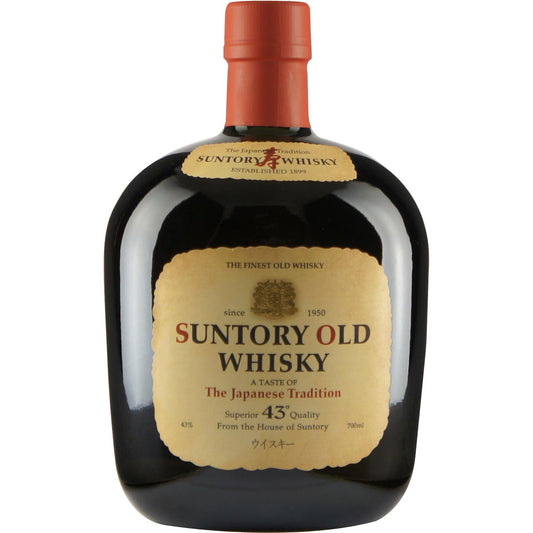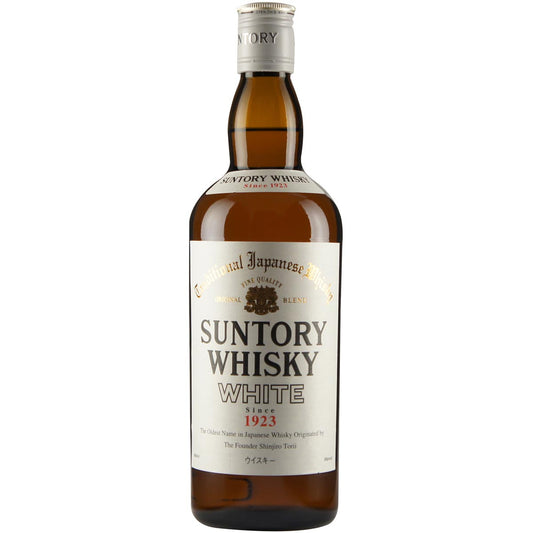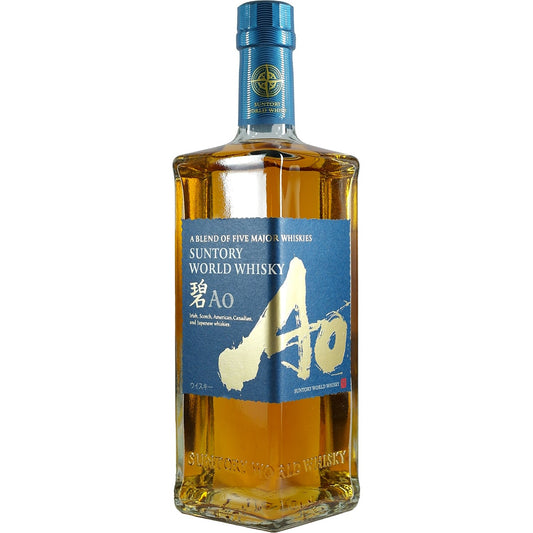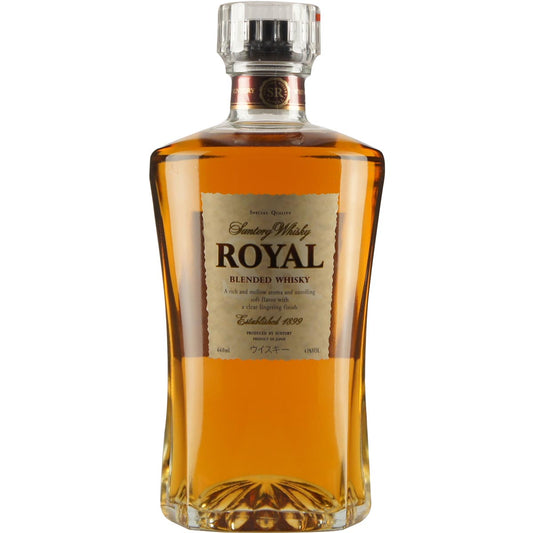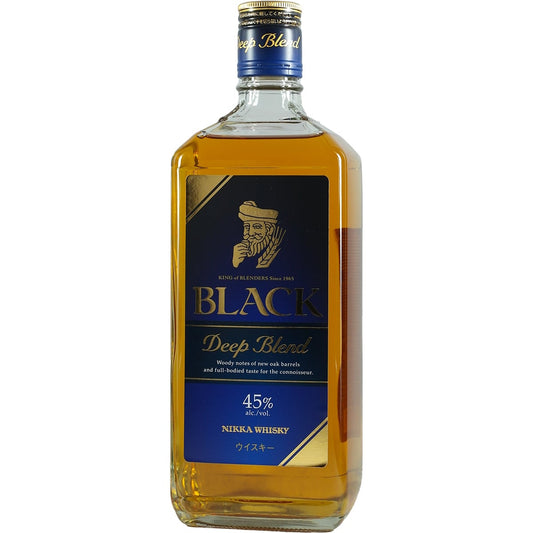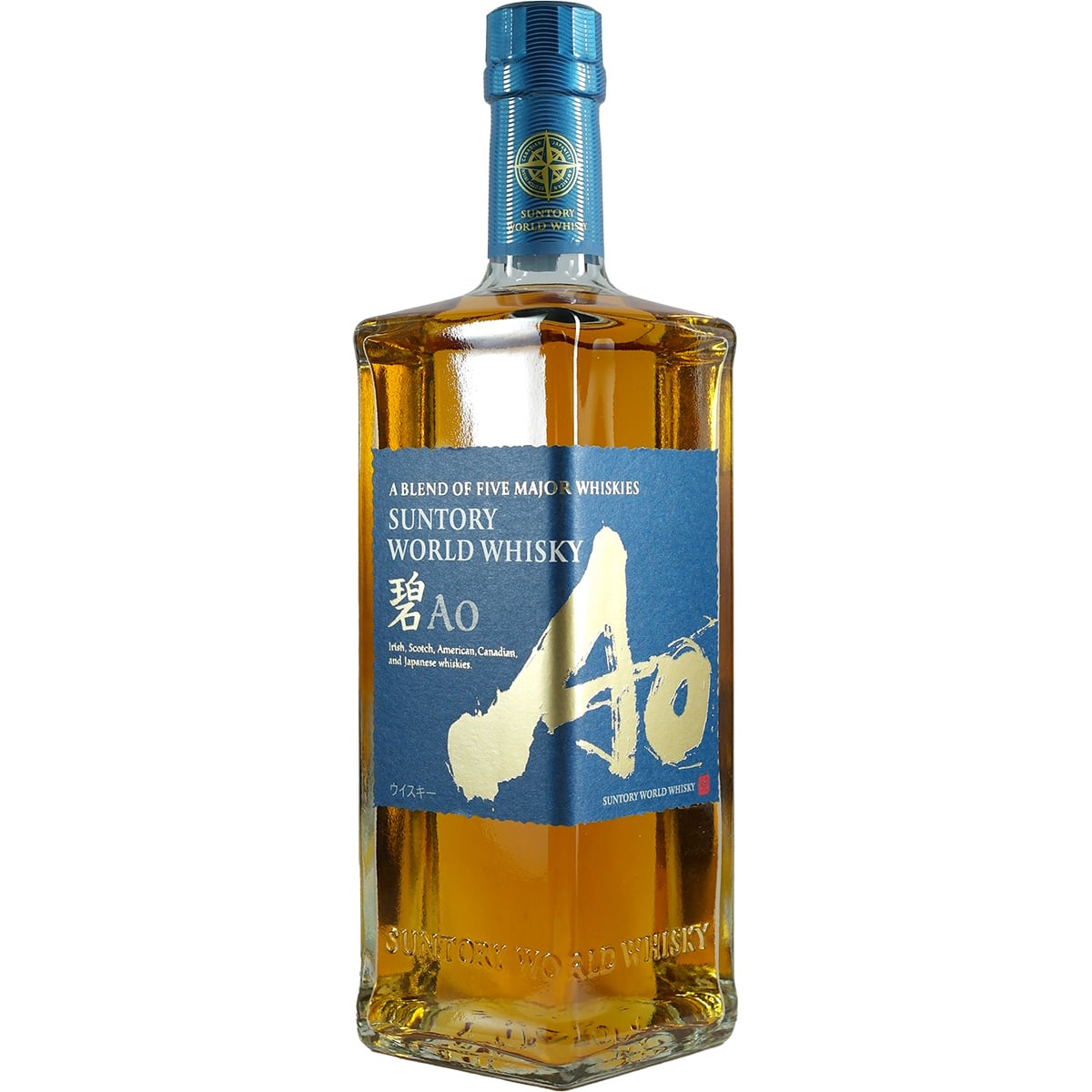


Single malt, grain, or blend? Understanding Japanese whisky correctly
Standing in front of a shelf of Japanese whisky, you see terms like “Single Malt,” “Single Grain,” or “Blended Whisky.” They sound like quality grades, but they actually tell you more about origin and composition. Knowing how to read them helps you make more targeted choices and gives you a better idea of what to expect in your glass. Here you will find the most important label terms, some Japanese specialities, and practical tips for selection and tasting.
Two basic building blocks: Malt Whisky and Grain Whisky
Almost every term on the label can be traced back to two types of whisky:
- Malt Whisky is made from malted barley and is usually distilled in pot stills. It is often considered aromatically dense and characterful.
- Grain Whisky is distilled from other grains such as corn or wheat, often in continuous-process stills. It usually tastes lighter and softer, but can certainly be distinct and complex.
The label reveals which of these building blocks are in the bottle and whether they come from one or several distilleries.
The most important terms
Single Malt
A Single Malt is malt whisky from a single distillery. “Single” therefore refers to the distillery, not a single cask. A Single Malt can be composed of many casks of different ages. If an age statement appears on the bottle, such as “12 years,” it refers to the youngest whisky included. Older components may therefore certainly be present.
Single Grain
A common misconception: a Single Grain is not distilled from just one type of grain. It refers to grain whisky from a single distillery. Here, too, “Single” stands for the origin from one distillery.
Single Blended Whisky
Less commonly seen, but particularly exciting: a Single Blended Whisky combines malt and grain whisky, both of which come from the same distillery. This is possible where malt and grain production take place at the same site. The blend then requires no outside whisky.
Blended Whisky
A Blended Whisky combines whiskies from several distilleries, typically malt and grain whisky. The goal is a harmonious, often recognizable overall profile. Blending is a craft in its own right: blenders pay attention to notes such as the nose, mouthfeel, and finish, as well as how a whisky behaves with ice or in cocktails.
The terms at a glance
| Term | Whisky type | Origin | Typical impression |
|---|---|---|---|
| Single Malt | Malt Whisky | One distillery | Often expressive, shows the distillery's house style |
| Single Grain | Grain Whisky | One distillery | Often light, soft, accessible |
| Single Blended Whisky | Malt and Grain Whisky | One distillery | Balance of both styles, from one producer |
| Blended Whisky | Mostly Malt and Grain Whisky | Multiple distilleries | Focused on harmony and versatility |
The table shows tendencies, not fixed rules. There are robust blends and gentle single malts, and no category is fundamentally better than another.
Japanese specialities
Many styles under one roof
Many Japanese producers rely heavily on their own stocks instead of trading whisky among themselves. While this was common for a long time, it does not apply to every manufacturer or every bottling in the same way. Some houses have therefore developed a wide stylistic range themselves, for example through different stills, yeasts, or cask types. Where malt and grain production also take place at the same site, single blends become possible. A well-known example is the Fuji distillery: both single grain and single blended whisky were bottled there. How precisely the label terms distinguish between them is clearly evident here.
Grain Whisky with its own profile
Japanese grain whisky is more than a neutral base. It can usefully supplement high-quality blends and is sometimes bottled pure as a single grain. Those who previously only knew grain whisky as a “filler” can discover something new here.
What does “Japanese Whisky” mean?
Not every bottle with a Japanese-looking label contains whisky distilled exclusively in Japan. With the Japanese Whisky Standard, the Japanese industry has formulated criteria for when a product should be labeled as Japanese whisky. Because such regulations and their application can evolve, it is worth taking a look at the manufacturer's and retailer's information if origin is important to you.
Practical tips for selection and tasting
How to choose the right one
- Start with the occasion: For a quiet evening served neat, a Single Malt that shows the style of a distillery is often a good fit. For highballs and social gatherings, blends and single grains are often a very good choice.
- Read the label carefully: Look for “Single” and the stated whisky type. Together, they reveal origin and composition.
- Interpret age statements correctly: It denotes the youngest component. Whiskies without an age statement are not automatically young or inferior; they are often composed according to a specific flavor profile.
- Compare styles: Anyone who tries the same producer across different categories will get to know their signature style particularly well.
How to taste more consciously
- Try side-by-side: A Single Malt and a blend in direct comparison make differences in the nose, mouthfeel, and finish tangible.
- Test with water: A few drops can open up aromas, especially with stronger bottlings.
- Experiment with ice and soda: Many Japanese blends and grain whiskies are deliberately composed for this way of drinking as well. You can read how to make a harmonious highball in our guide to the Japanese whisky highball.
- Take notes: A few keywords about aroma, taste, and finish help you recognize your own preferences.
Conclusion: The label tells the origin, not the rank
Single Malt, Single Grain, Single Blended, and Blended Whisky describe what a whisky consists of and where it comes from. The terms do not determine quality. A well-composed blend can be just as inspiring as an expressive Single Malt. Knowing the terms allows you to buy more consciously and enjoy discovering the diversity of Japanese whiskies even more.
Browse our selection of Japanese whisky and compare the categories for yourself. If you are specifically looking for a distillery bottling, you can find our Single Malts here.
Sources and classification
- Brian Ashcraft: Japanese Whisky, pp. 71 and 165
- Whisky Rising, p. 119
- Japanese Whisky Yearbook 2023, pp. 24 and 41