

Japanese Whisky History [1/6]: From the Beginnings to Today
Japanese whisky is now among the most sought-after spirits in the world. But the journey from the first experiments in the late 19th century to global auction records and international awards was marked by a pioneering spirit, artisanal setbacks, economic crises, and a unique philosophy. This feature article offers a complete overview of 100 years of Japanese whisky history and serves as an introduction to our six-part series.
Overview of our series: The History of Japanese Whisky
- Part 1: From the Beginnings to Today (This Article)
- Part 2: Shinjiro Torii & Yamazaki – The Birth of an Industry
- Part 3: Masataka Taketsuru & Nikka – The Scottish Dream
- Part 4: Post-War Boom & Torys Bars – How Whisky Became a Popular Drink
- Part 5: Karuizawa, Hanyu & Chichibu – Closures and Rebirth
- Part 6: International Success & Future – Global Fame and JSMA Standards
1. The Prequel: Western Influences and Early Imitations (1853–1918)
When Commodore Matthew Perry anchored his famous "Black Ships" in Edo Bay in 1853, he brought, among other things, a barrel of American whiskey as a state gift. In the subsequent Meiji Restoration, Japan rapidly opened up to Western technology and culture.
Early attempts to produce whisky in Japan, however, had little to do with genuine distillation. So-called Imitation Whiskies were created from imported industrial alcohol, flavorings, and colorants. It wasn't until the early 20th century that visionary entrepreneurs developed the desire to establish authentic, handcrafted malt whisky, following the Scottish model, in Japan.
2. The Pioneers: Torii, Taketsuru and the Founding of Yamazaki (1918–1934)
The true birth of authentic Japanese whisky is inextricably linked with two men: Shinjiro Torii and Masataka Taketsuru.
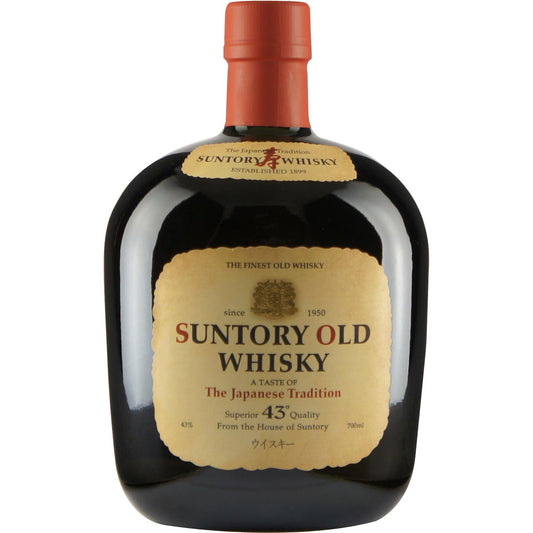
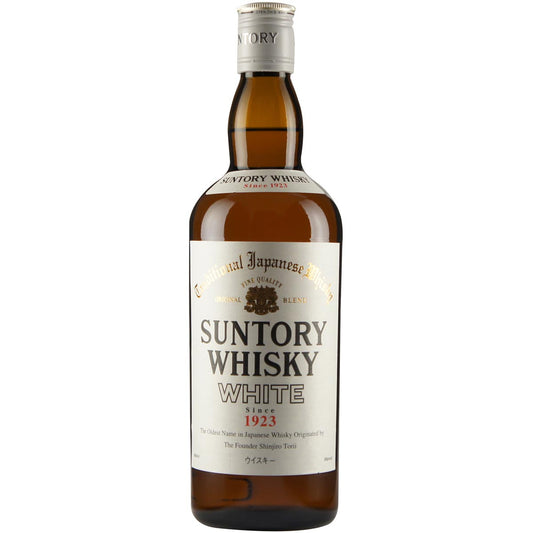
Taketsuru traveled to Scotland in 1918, studied chemistry at the University of Glasgow, and learned the craft of distillation from scratch at Hazelburn and Longmorn. Back in Japan, he teamed up with businessman Shinjiro Torii (founder of Kotobukiya, later the Suntory Group). In 1923, they established Japan's first true whisky distillery in the idyllic Yamazaki Valley, famous for its pure spring water.
While Torii wanted to adapt the taste to the finer Japanese palate, Taketsuru insisted on uncompromising Scottish smokiness. This divergence in direction eventually led to their separation and founded the two great dynasties of Suntory and Nikka.
👉 Read all the details about the founding of Yamazaki in Part 2: Shinjiro Torii & Yamazaki.
3. Nikka's Founding and the Journey North (1934–1945)
After his ten-year contract with Kotobukiya ended, Masataka Taketsuru moved to Hokkaido with his Scottish wife Rita in 1934. In Yoichi, he found perfect conditions: a cool, humid climate, peat bogs, and clear water – almost identical to the Scottish Highlands. There, he founded Dai Nippon Kaju (later Nikka) and staunchly adhered to direct coal-fired pot stills.
Even during World War II, production continued, as whisky was classified as a strategic good by the military.
👉 The fascinating story of Masataka and Rita Taketsuru can be found in Part 3: Masataka Taketsuru & Nikka.
4. The Post-War Boom: Torys Bars and Highballs (1945–1980s)
In the economic rebuilding years after 1945, whisky transformed from an elitist luxury good into the country's most popular everyday drink. With Torys Whisky and the legendary Torys Bars, Suntory created affordable meeting places for the working population in the 1950s.
At the same time, the Highball (whisky with cold soda water over plenty of ice) and the Mizuwari culture (whisky with still water to accompany meals) became established. Japanese people didn't drink their whisky neat in an armchair, but refreshingly diluted with their meals – a consumption pattern that still shapes the identity of Japanese blends today.
👉 How the mass market emerged can be found in Part 4: Post-War Boom & Torys Bars.
5. Crisis, Closures, and Legendary Lost Distilleries (1989–2000s)
A tax reform in 1989, the bursting of Japan's bubble economy, and the global trend towards clear spirits plunged the industry into a severe crisis. Domestic sales plummeted dramatically.
Traditional distilleries had to close – including Karuizawa (in 2000) and Hanyu (in 2000). What was then considered a tragic decline laid the foundation for today's collector's market: the remaining casks from these closed distilleries years later became some of the most expensive and sought-after whiskies in history. At the same time, Ichiro Akuto proved with the rescue of Hanyu casks and the founding of the Chichibu Distillery in 2008 that artisanal craft whisky has a bright future.
👉 Read the dramatic story of the Lost Distilleries in Part 5: Karuizawa, Hanyu & Chichibu.
6. Global Triumph and Today's Standards (2001–Today)
The international turning point began in 2001, when the Yoichi 10 Years took first place in Whisky Magazine's "Best of the Best" competition. When the Yamazaki Sherry Cask 2013 was named best whisky in the world in Jim Murray's Whisky Bible in 2014, global demand exploded overnight.
The flip side of the boom: aged whisky stocks in Japan were almost completely depleted. Many famous age statements had to be temporarily removed from the market. To ensure transparency for imported bulk whiskies, the Japan Spirits & Liqueurs Makers Association (JSMA) introduced strict definition criteria for genuine "Japanese Whisky" for the first time in 2021.
👉 Learn all about the global boom and current standards in Part 6: International Success & Future.
Conclusion: An unparalleled journey of craftsmanship
The history of Japanese whisky is a narrative of an unwavering pursuit of perfection. Japanese distillers have not simply copied the Scottish heritage but have refined it with their own terroir, the distinctive use of Mizunara oak casks, and the highest precision in blending.
👉 Discover our range of authentic Japanese whisky
What's next?
Dive deeper into the beginnings and discover how Shinjiro Torii laid the foundation for Yamazaki.
Continue to Part 2: Shinjiro Torii & Yamazaki ➔Sources
- Brian Ashcraft: Japanese Whisky: The Ultimate Guide to the World's Most Desirable Spirit, Tuttle Publishing.
- Stefan Van Eycken: Whisky Rising: The Definitive Guide to the Finest Whiskies and Distilleries of Japan, Cider Mill Press.
- Dave Broom: The Way of Whisky: A Journey Around Japanese Whisky, Mitchell Beazley.
- Stephen Lyman & Chris Bunting: The Complete Guide to Japanese Drinks, Tuttle Publishing.
- Mamoru Tsuchiya: Japanese Whisky Yearbook 2023, Whisky Cultural Institute.