

Japanese Whisky Cocktails: Three Recipes and the Right Fundamentals
Those who collect Japanese whisky often drink it exclusively neat. This is understandable, but it's also a limited perspective: in Japan, mixing is part of whisky culture, and the highball has shaped the way whisky is consumed there for decades. Brian Ashcraft describes this drinking culture in detail in Japanese Whisky, and Stefan Van Eycken dedicates a section to Japanese whisky cocktails in Whisky Rising. So, cocktails are not a last resort for bottles you don't like, but rather a second interpretation of the same bottle.
This article presents three drinks that reliably work at home: a whisky sour with a Japanese twist, a Tokyo Mule, and a Sakura Highball. The quantities are recipe suggestions from our editorial team, not direct quotes from books, and can be adjusted to taste.
What makes Japanese whisky interesting in cocktails
Japanese whiskies offer a broad stylistic range: there are very subtle, gently malty profiles as well as smoky or distinctly cask-driven ones. For cocktails, the crucial factor is how much inherent character the whisky brings and how it reacts to dilution. This is precisely what makes the category so useful in a mixing glass: you can guide a drink through the whisky selection, instead of correcting it with syrup.
If you want to understand why blends and grain whiskies often behave differently in cocktails than robust single malts, you can find background information in our articles on Japanese grain whisky and blending and Japanese whisky production.
Choosing the right whisky profile for the drink
Before the recipe comes the selection. Three simple guidelines:
- Sour: Lemon and sugar mask subtleties. Here, the whisky can have a bit more stature, meaning it can be malty, spicy, or slightly cask-driven. Very delicate bottlings disappear behind the acidity.
- Mule: Ginger and lime are dominant. A whisky with a clear but not overly complex structure holds its own without competing with the ginger. Heavily peated whiskies result in a completely different, very unique drink.
- Highball: The classic thrives on subtlety. Understated, clean profiles often gain definition through effervescence and coldness. How the ratio, ice, and glass affect it is extensively covered in our guide to the Japanese highball.
Basic rule for all three: The whisky should taste good on its own. A drink doesn't improve a bottle; it only changes its perspective. Conversely, however, a very rare bottling will hardly come into its own in a Mule. For cocktails, it makes sense to use bottles that you would happily repurchase.
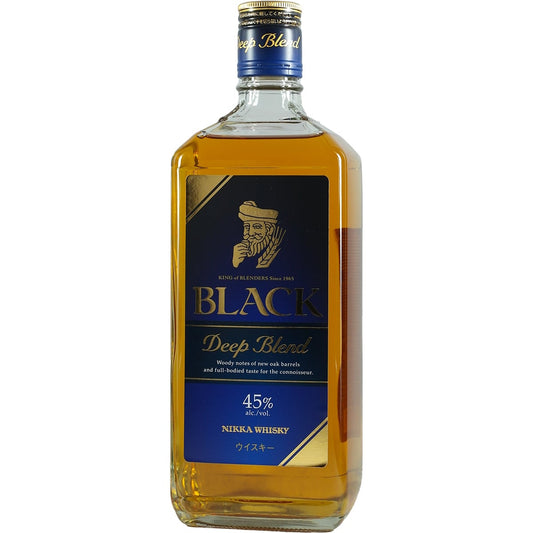
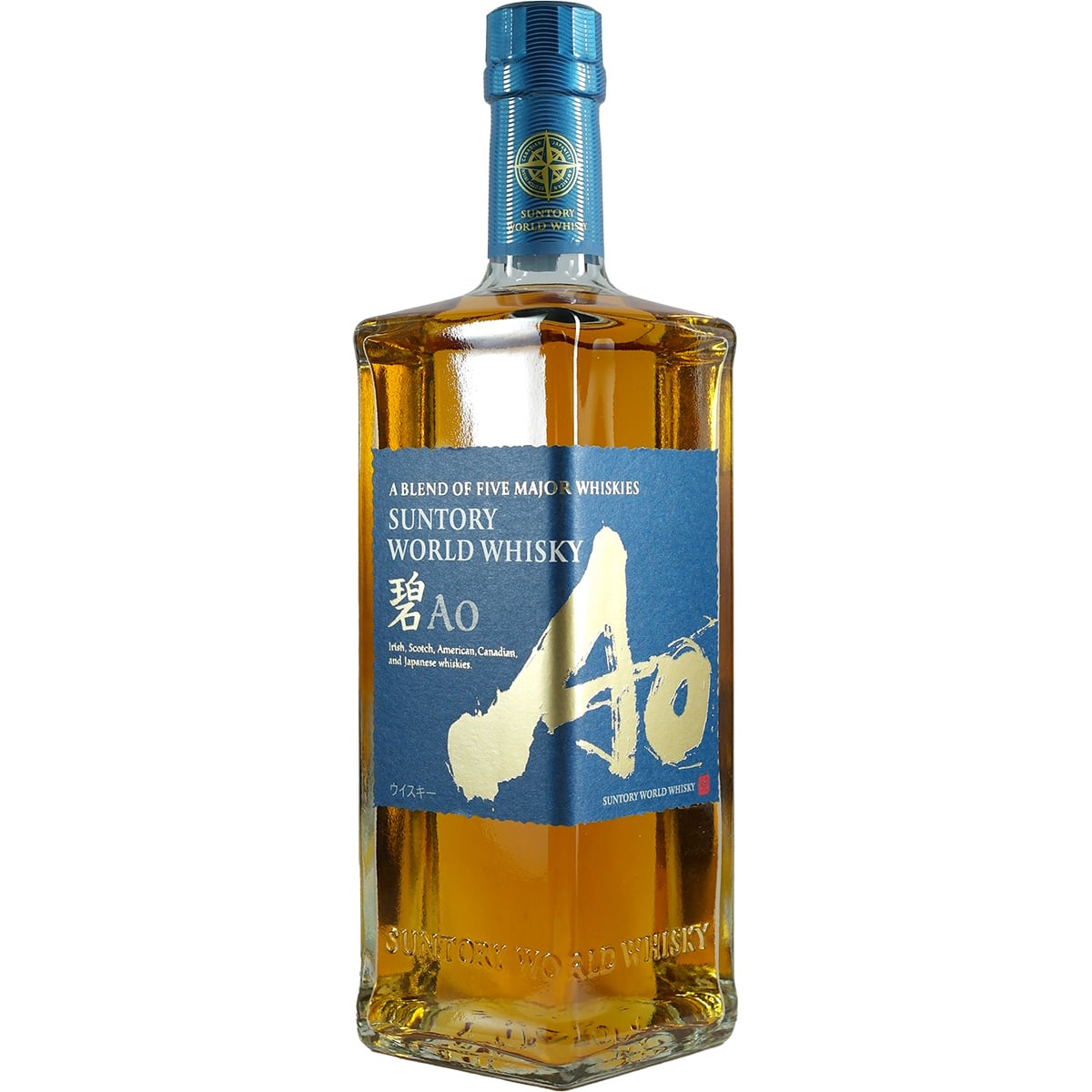
Looking for a whisky that works neat and in a mixed drink? Browse our selection for cocktails and highballs.
Whisky Sour with a Japanese Twist
The Sour is the best exercise for mastering balance: acidity, sweetness, and whisky must support each other. Recipe suggestion for one glass:
- 50 ml Japanese whisky
- 25 ml freshly squeezed lemon juice
- 15 ml simple syrup (1:1)
- optional 1 egg white for a thicker texture
- ice cubes
- Add all ingredients to the shaker and shake vigorously for about 15 seconds.
- Strain through a fine sieve into a pre-chilled glass, either without ice or over a large, clear cube.
- Garnish with a lemon zest or a thin slice.
Regarding egg white: It creates the typical foamy crown but is optional. Raw egg is not suitable for all guests, such as children, pregnant women, or immunocompromised individuals. If you prefer to omit it, simply leave it out or use a plant-based foaming agent. For a Japanese touch, a small amount of yuzu juice can be used instead of part of the lemon, complemented by a hint of ginger syrup.
Tokyo Mule
The Mule is the most straightforward of the three drinks because it's built directly in the glass. Recipe suggestion:
- 50 ml Japanese whisky
- 15 ml lime juice
- 100–120 ml ginger beer, well chilled
- plenty of ice
- lime slice and mint for garnish
- Fill a tall glass or copper mug to the brim with ice.
- Add whisky and lime juice, stir briefly with a bar spoon.
- Top with ginger beer and stir gently one last time.
The choice of ginger beer is crucial. Very sweet products push the whisky to the background, while spicier and drier varieties allow it space. If you prefer it milder, use ginger ale and slightly increase the lime content.
Sakura Highball
The name alludes to the cherry blossom, which for several weeks in spring shapes menus and drink offerings in Japan. As a cocktail, the Sakura Highball is a modern, seasonally conceived variation of the classic highball, not a historical recipe. Recipe suggestion:
- 40 ml Japanese whisky
- 10 ml Sakura or cherry blossom syrup
- 120 ml soda water, well chilled
- ice cubes, as large and clear as possible
- optional an pickled cherry blossom or a lemon zest
- Pre-chill the glass and soda, then fill the glass completely with ice.
- Add whisky and syrup, stir briefly to distribute the syrup.
- Pour soda along the rim of the glass and stir gently from bottom to top only once.
Sakura syrups vary greatly: some are floral and delicate, others distinctly sweet and perfumed. Therefore, start with less than indicated and gradually adjust. For the technique behind ratio, carbonation, and ice, it's worth consulting the Highball Guide, where the basics are described in detail.
Variations, Garnish, and Common Mistakes
Small adjustments change these three drinks significantly more than a different bottle:
- Swap acidity: Yuzu, lime, or a mixture each create a different profile in a Sour.
- Swap sweetness: Honey syrup provides more depth, while simple syrup remains more neutral.
- Garnish sparingly: A zest from which you spray the oils over the surface brings more than an overloaded decoration.
The most common mistakes when mixing at home are quickly identified: too little ice, which excessively dilutes the drink when stirred; lukewarm soda or ginger beer, which immediately loses its carbonation; bottled citrus juice, which tastes flat and slightly bitter in a Sour; and over-stirring in a Highball, which sacrifices the fizz. Those who control these four points do not need bar equipment to achieve convincing results.
If you're looking for a bottle that works well for nosing neat and also makes a good highball, take a look at our selection for cocktails and highballs or our article on blends and grain whisky, where we explain the differences in more detail.
Sources
- Brian Ashcraft: Japanese Whisky, chapter "Japan's Whisky Drinking Culture," starting on p. 106.
- Stefan Van Eycken: Whisky Rising, p. 281, section "Japanese Whisky Cocktails."
- Recipe quantities, preparation steps, and garnishes are editorial suggestions from Jwhisky.