

Grain Whisky in Japan: Why Blends Are More Than a Compromise
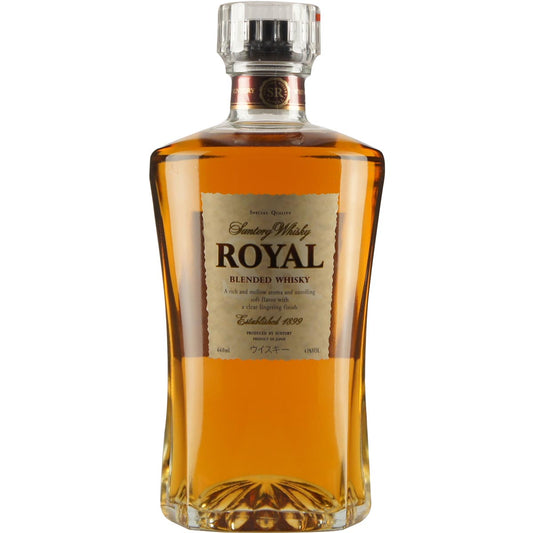
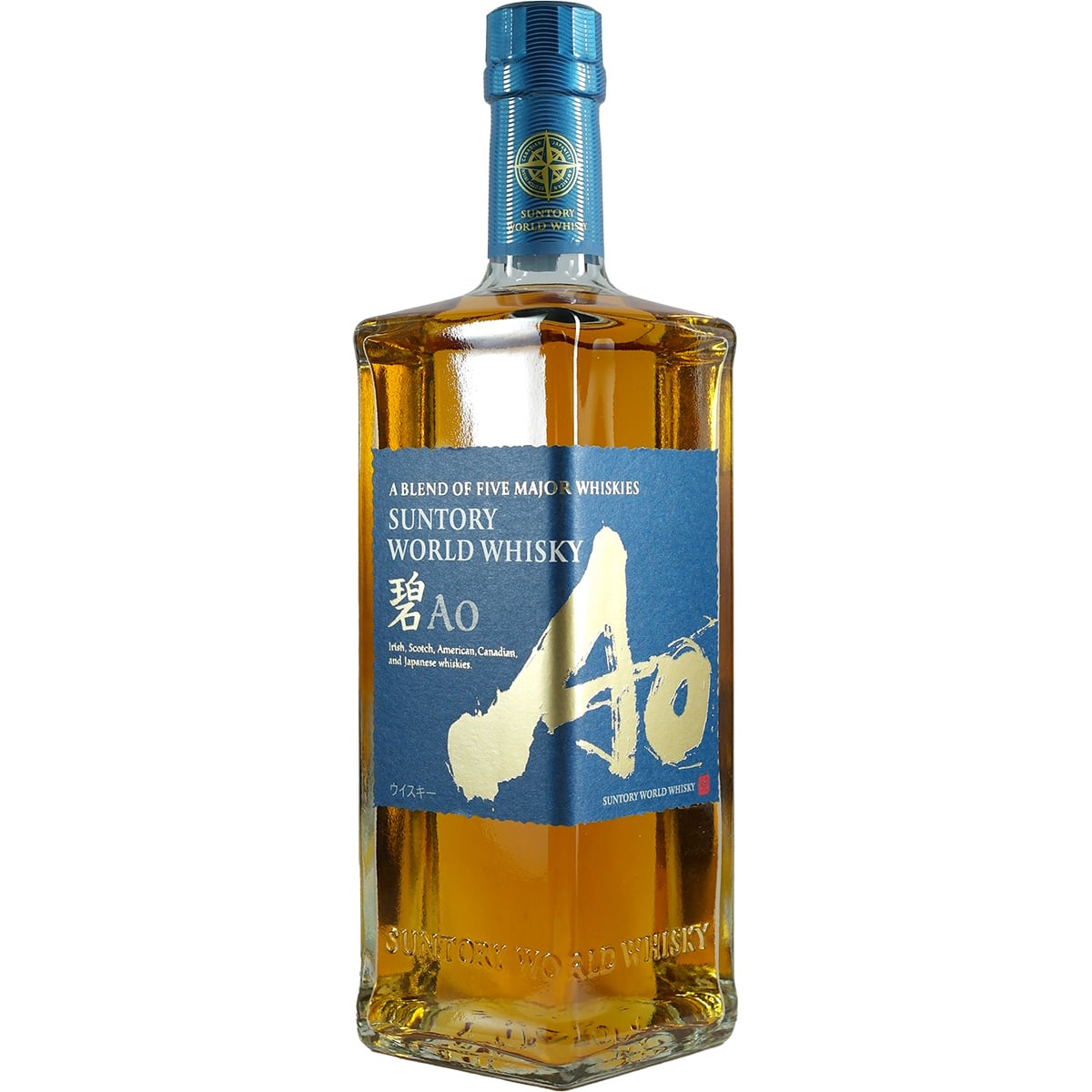
Anyone who delves into Japanese whisky will almost inevitably end up with single malt. It is well-documented, well-marketed, and easy for collectors to categorize. Grain whisky, on the other hand, often remains in the background, although it plays a crucial role in many blends. This article explains what grain whisky is, how it differs from malt whisky in production, and why a blend doesn't have to be a diluted version of a single malt.
What is Grain Whisky?
The term Grain Whisky refers to the grain base of the distillate and linguistically distinguishes this category from malt whisky. More practically relevant, however, is another difference: the type of still. In Japan, grain whisky is produced using, among other things, Column Stills, which are continuous distillation plants. Malt whisky is traditionally made in pot stills, also known as Pot Stills.
This distinction is not a minor detail, as different types of equipment can produce different spirit styles. So, when one speaks of grain whisky, one is talking less about a quality level than about a different technical path to the distillate. It's worth keeping that in mind before evaluating a label.
How is Grain Whisky Made?
A column still, simply put, consists of an upright column in which the separation of alcohol and water can take place over several stages. Instead of individual distillation processes in a closed pot, the process runs continuously. This allows for very precise control of the distillate.
In Japanese distilleries, both pot stills and column stills are used, and both can play different roles in whisky production. Some operations focus on pot-still malt whisky, while others also have equipment for grain whisky. For blends, this is a crucial point: the more different distillate styles available in-house, the greater the flexibility in composition.
If you would like to delve deeper into the basics of production, you can find the individual steps from mashing to maturation in our overview of Japanese whisky production.
Pot Still and Column Still Compared
Both types of equipment fulfill the same basic task: separating alcohol from water and other components. However, the way they do it differs significantly.
- Pot Still: operates in individual, self-contained distillation processes. The shape, size, and design of the pot affect the distillate.
- Column Still: operates continuously over several separation stages. The process can be precisely regulated.
- Common Denominator: different equipment can produce different spirit styles that later complement each other in the blend.
The order of arguments is important. It's not that one still inherently produces better whisky. It produces different whisky. What results from it is decided in cask maturation and blending. How much influence the wood has, we described in the article on the importance of barrel selection, and specifically for Japanese oak in the article on Mizunara.
Why are Malt and Grain Whisky Blended?
A blend combines different whisky components to achieve a result that should work as a whole. The combination of malt and grain whiskies is an established approach in Japanese whisky production.
The reason lies in the different raw materials. If a distillery has several distillate styles, it can combine them specifically instead of limiting itself to a single profile. Editorially speaking, grain whisky can contribute structure, lightness, or balance to a blend. This is not a fixed sensory rule, as the result depends on the specific distillate, maturation, and recipe. A blend is not automatically milder or sweeter than a single malt.
What can be observed, however, is that blends are often particularly versatile in everyday use. In a Highball, i.e., with soda and plenty of ice, they show whether a recipe holds up or falls apart.
The Role of the Blender
Ultimately, there is always a person who decides. A Blender determines which whisky components are combined and in what ratio. This is not a mechanical calculation, but an evaluation of individual casks and distillates with a view to a desired overall profile.
This also includes consistency. A blend that is available every year must remain comparable over the years, even though the available components are constantly changing. Casks develop differently, stocks run out, new batches are added. This is precisely where the craftsmanship lies: shaping a stable result from a moving inventory.
Therefore, the common assumption that a blend is the simpler option is difficult to sustain. A single malt can thrive on a single successful cask profile. A blend must hold many decisions together simultaneously.
Properly Categorizing Japanese Blends
One point deserves honesty, as it repeatedly comes up in discussions about Japanese whisky. Brian Ashcraft describes in Japanese Whisky cases where products were blended with Scottish grain whisky or re-matured in Japan. This does not mean that Japanese blends are generally produced this way, nor does it mean that such products must be bad. It simply means that the label's designation does not automatically tell everything about the origin of the individual components.
We deliberately refrain from claiming a current legal situation or a binding definition here, as regulations and industry standards can change. Those who want certainty should pay attention to specific details about the distillery and production rather than general indications of origin.
In practice, this leads to three useful habits:
- Read what a label actually says about the distillery and production, not just the mood it evokes.
- Evaluate a blend by what happens in the glass, not by its category.
- Try the same whisky neat and in a Highball. Many blends only then show what they were built for.
In our selection of Japanese whisky, you will find both single malts and blends. If you truly want to understand the difference, a direct comparison of two bottles is more insightful than any description.
Conclusion
Grain whisky is not a budget version of malt whisky, but a distinct distillate style largely shaped by the still. In Japanese blends, it can serve as a building block that, together with malt components, creates an overall profile. Whether this overall profile is convincing is not decided by the category, but by the work of the blender.
Sources
- Brian Ashcraft: Japanese Whisky, p. 75, 201, 277.
- Japanese Whisky Yearbook 2023, p. 40, 41, 141, 154, 168.
- Stephen Lyman, Chris Bunting: The Complete Guide to Japanese Drinks, p. 201.
- Stefan Van Eycken, Jim Meehan: Whisky Rising, p. 163.
- Dave Broom: The Way of Whisky, p. 29.